
Understanding the Psychology of Bluffing
Bluffing is not merely a tactic within poker; it is an art form that requires a deep understanding of human psychology. Players must be able to read their opponents, interpreting body language and facial expressions to gauge their confidence and the strength of their hands. Successful bluffing hinges on the information players absorb from their surroundings, especially when they explore the online casino environment. By observing others, they can identify tells or weaknesses, while also projecting an air of confidence to mislead opponents.
The psychological aspect of bluffing is further complicated by the inherent uncertainty of the game. Every player has their unique style, and a solid grasp on psychological principles can help players craft their strategies. Knowing when to bluff and when to fold is a judgment call that balances risk and reward. This requires emotional intelligence, patience, and an understanding of probability, making bluffing a fascinating blend of art and science.
Additionally, effective bluffing requires a keen awareness of table dynamics. Players must consider their position at the table and how it affects the perception of their bluff. For example, a player in an early position may find it easier to bluff against players who have not yet acted. By mastering the psychology behind bluffing, players can enhance their strategic decision-making and influence the flow of the game.
Types of Bluffs and When to Use Them
In the poker world, there are various types of bluffs that players can employ, each suited to different situations and opponents. One common technique is the ‘pure bluff,’ where a player bets or raises with a weak hand, hoping to convince others that their cards are strong. This type of bluff is effective when players have limited information about their opponents’ hands and can assume that a sizeable bet will scare them away.
Another type of bluff is the ‘semi-bluff.’ This occurs when a player bets or raises with a hand that has potential but is not currently winning. The benefit of a semi-bluff is that even if the bluff is called, there’s a chance that the player can improve their hand on subsequent rounds. This method can be particularly effective in situations where drawing cards are possible, thus maintaining an element of suspense and increasing the potential payout.
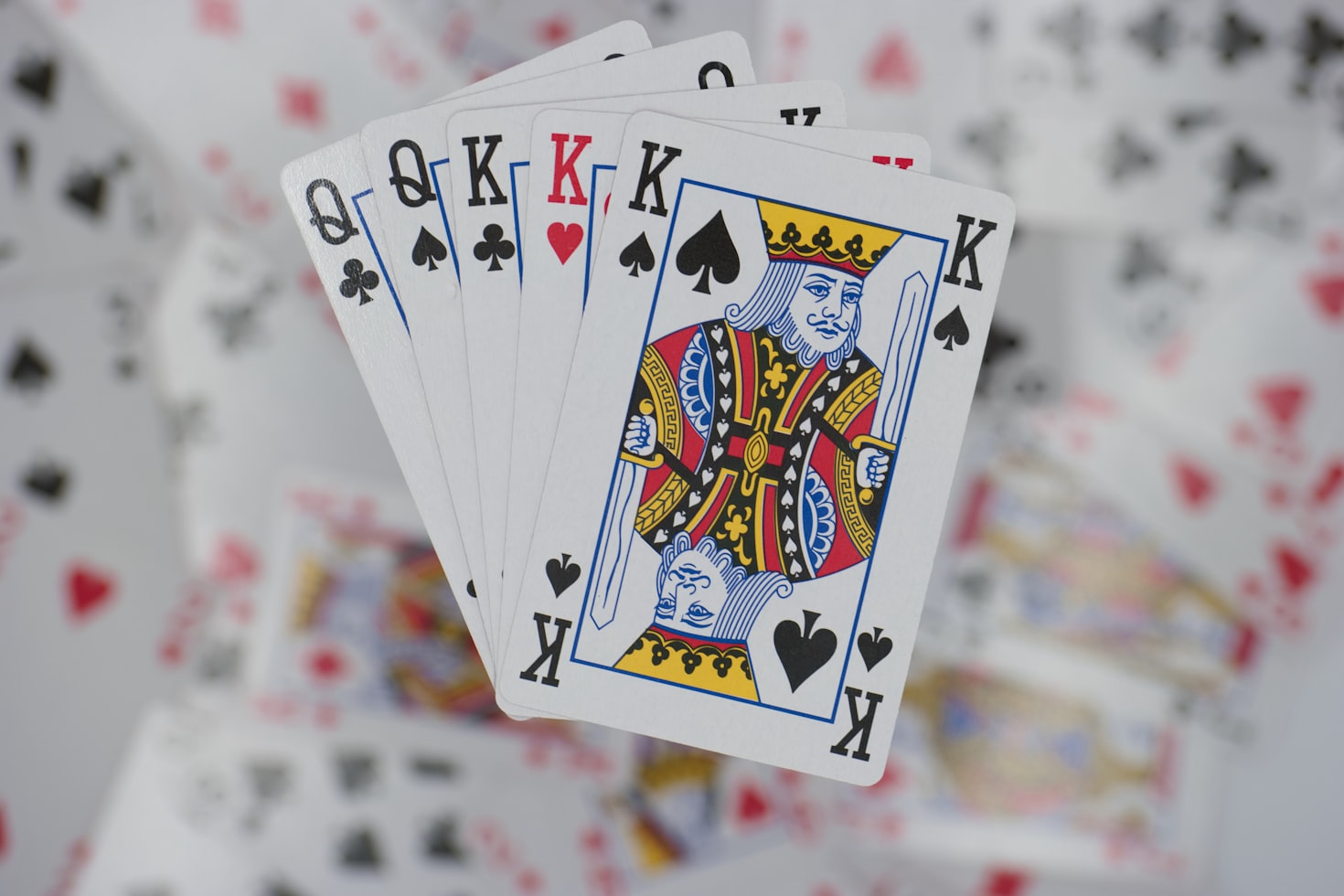
Knowing when to use each type of bluff requires not only skill but also strategic foresight. Players should assess their opponents’ tendencies, the game’s context, and their own table image. A well-timed bluff can shift the table dynamics in a player’s favor, while a poorly executed bluff can lead to significant losses. The ability to differentiate between these bluffing strategies is vital to mastering the art of bluffing in poker.
Building a Credible Table Image
Your table image significantly influences how other players perceive your actions, and this perception is central to successful bluffing. A player with a tight image, known for only betting with strong hands, can utilize a bluff more effectively than someone who frequently bluffs. By creating a credible table image, players set the stage for their bluffs to have a more significant impact, as opponents are more likely to fold against a player they respect.
Building a reliable table image takes time and deliberate play. Players should vary their strategies—mixing strong hands with occasional bluffs to maintain unpredictability. This balance keeps opponents guessing and increases the chances that successful bluffs will go unnoticed. Additionally, players must remain aware of how their actions are interpreted by others and be prepared to adjust their strategies accordingly.
Furthermore, a positive table image can be cultivated through consistent behavior and communication at the poker table. Engaging in friendly banter while maintaining a serious attitude during betting rounds can enhance credibility. Players who develop a reputation for integrity and skill make it easier to execute bluffs later, as other players may second-guess their decisions when facing a potent bet.
Reading Your Opponents Effectively
One of the most critical skills in poker is the ability to read one’s opponents. This involves monitoring not just their betting patterns, but also their physical reactions and verbal cues during play. Experienced players know that tells can be subtle and varied, ranging from fidgeting to changes in breathing patterns. By honing their observational skills, players can gain valuable insights into when an opponent is holding a strong hand or is vulnerable to a bluff.

Understanding the psychological state of your opponents can also provide an edge. For instance, a player on tilt—emotionally affected by previous losses—may be more inclined to call a bet out of frustration rather than reason. Recognizing these moments allows a skilled player to bluff successfully, as the emotional state of the opponent plays a crucial role in decision-making. This highlights the importance of adaptability in poker; players must adjust their reading strategies based on the specific individuals at the table.
Moreover, establishing rapport with fellow players can yield additional benefits. When players are more comfortable with one another, they tend to let their guards down, leading to more revealing behavior. Taking the time to build social connections can enhance a player’s ability to read emotions, ultimately making their bluffing strategies more effective. By mastering this skill, players can create a more nuanced approach to bluffing that can significantly impact the outcome of any game.
Enhancing Your Skills Through Practice and Resources
Mastering the art of bluffing involves a commitment to continuous improvement. Players can enhance their skills through dedicated practice at the poker table, as well as by utilizing various online resources. Participating in low-stakes games allows players to experiment with their bluffing strategies without the risk of substantial financial loss. This level of practice helps them to refine their techniques, recognizing what works best in different situations.
In addition to practice, players can dive into literature and online content focused on poker strategies. Books authored by professional players often provide valuable insights into bluffing tactics and mental strategies. Furthermore, online forums and video tutorials can offer real-time examples and discussions, helping players visualize how bluffing unfolds in actual gameplay. Learning from experts and peers can significantly accelerate one’s understanding of the complexities involved in bluffing.
Finally, engaging in self-reflection is a critical component of skill enhancement. Players should analyze their own bluffing experiences, celebrating successes while also learning from failures. By keeping track of hands played and reflecting on decisions made during those pivotal moments, players can establish a clearer understanding of their tendencies and areas needing improvement. This dedication to development will not only increase their bluffing prowess but also their overall poker skills.