
A Buyer’s Rundown for Identifying Authentic Righteous Clothing
Wading through a crowded field of copycats, resellers, and blatant counterfeits is what shopping for streetwear in 2026 means. We Are Righteous has built a name on considered design and no-nonsense construction, which regrettably makes it a mark for copying. This checklist walks you through the tangible details that separate a genuine Righteous piece from a knockoff, so you can shop with confidence whether you’re buying your first hoodie or building out a full wardrobe of righteous apparel.
Forget status-chasing — that’s not what this is about. The point is guarding your cash and confirming you get the item you actually spent money on. A knockoff seldom holds onto its shape, colour, or stitching past a few washes, and it simply doesn’t have the same substance — physically or symbolically — that something manufactured to genuine quality standards carries. Below, we detail what to check before you buy and what to examine once the package arrives.
Start Off With the Root
Hands down the most trustworthy way to be certain you’re getting real righteous clothing is to shop directly through We Are Righteous or from a retailer officially sanctioned by the brand. Third-party marketplaces are the riskiest channel, not because all sellers are untrustworthy, but because confirming authenticity becomes tougher once a product changes hands multiple times. Should a listing show no clear seller information, no policy on returns, and a price that seems righteous t shirt too low against the brand’s standard price bracket, view it with suspicion rather than a bargain.
Check the seller’s history if you’re shopping for secondhand items. Counterfeit operations frequently show a common pattern: a reseller with numerous listings covering unrelated brands, blurry photos, and stock images rather than real product shots. Legitimate sellers, including private resellers of authentic pieces, will typically have photos of the actual item, including tags, care labels, and stitching close-ups. Should these be lacking, ask for them before going through with the buy.
You’ll also benefit from look over some genuine write-ups. A we are righteous review from an independent source — not promotional material from the brand itself — often mentions specific details like how heavy the fabric is, comments on size accuracy, or its post-wash performance that counterfeiters rarely bother replicating. When a we are righteous write-up repeatedly points to the same design features found on the piece you’re eyeing, that’s a reassuring sign of consistency across genuine stock.
Take the Actual Garment a Close Look
Once the garment is in your possession, the material itself tells you most of what you need to know. Usually, real Righteous hoodies are built from thick cotton fleece, landing in the 350-450 GSM range, varying with the specific style. If the fabric feels too light or appears sheer in normal light, you should be suspicious—especially when the seller claimed a heavyweight item.
Most buyers underestimate how much stitching consistency makes a difference. Flip it inside out and scrutinise the seams near the cuff, hem, and hood-lining sections: genuine batches feature even stitching, reinforced stress points at the pouch pocket, and no stray threads inside. Because sloppy stitching is fast and cheap, counterfeiters routinely neglect it, whereas even seams require superior machinery and checks.
Check the cords and fittings next. Authentic pieces use cord tips and eyelet fittings that align with the rest of the garment’s overall finish — no mismatched metal tones, no fraying rope ends, no brittle-feeling plastic. Any zippers present ought to move smoothly and never catch, and all embroidered branding should lie flat against the material without wrinkling.
To finish, examine the scent and texture of the fabric. Real cotton-fleece material has a mild, faintly earthy smell when new, while cheap counterfeit blends often reek of chemicals from cheap dyes or artificial fillers. This is a small detail, but seasoned shoppers use it routinely because it’s hard for counterfeiters to fake at scale.
Examine the Branding Closely
Logo work is where knockoffs typically fail, because matching precise sizing and positioning takes attention to detail they typically skip. On real Righteous garments, the embroidered/printed brand name sits at a uniform scale and placement across a given style run — check listing images from the brand’s own site against your item if you’re uncertain.
Type thickness and letter spacing are quick indicators. A fake wordmark often looks a bit squeezed, elongated, or unevenly spaced between letters, because it’s typically recreated by eye rather than from the original vector file. Genuine tags also list consistent fabric composition and care instructions that match what’s listed on the product page at the time of your purchase — if the label says something drastically inconsistent with the online description, that’s a red flag worth investigating.
Presentation of the shipment is another factor. Shipments from We Are Righteous typically arrive with consistent branded elements — mailer bags or shipping boxes, seasonal tags or tissue paper tied to current branding, and paperwork that matches what you were sent at checkout. A unmarked package with no accompanying documents isn’t conclusive evidence of a knockoff, but alongside other suspicious details, it strengthens the case.
Review the Side-by-Side First
When you’re unsure whether a listing is legitimate, a quick side-by-side check often settles the question. The chart that follows outlines the main contrasts buyers typically report between verified authentic Righteous pieces and counterfeit or misrepresented listings.
| Checkpoint | Genuine Righteous Apparel | Frequent Red Flags on Knockoffs |
|---|---|---|
| Fabric weight | A sturdy fleece fabric, roughly 350-450 GSM depending on the particular style | Lightweight, thin cloth that feels at odds with the claimed GSM |
| Seam work | Tidy, uniform seams that are backed up where strain occurs, and free of any stray threads inside | Uneven stitch length, loose threads, unreinforced seams |
| Branding alignment | Uniform sizing and placement that lines up with the brand’s product photos | Slightly off-centre, stretched, or inconsistently spaced lettering |
| Packaging | On-brand packaging that comes with a matching invoice or order confirmation | Unbranded packaging, no documentation, mismatched order details |
| Vendor track record | Verified retailer or official We Are Righteous storefront | A unverified account on a marketplace, relying on non-original or vague photos |
While not a complete rundown, this list capture the checks that come up repeatedly in genuine we are righteous brand feedback and customer discussions. When two or more of these checks don’t hold up together, you should stopping before you buy.
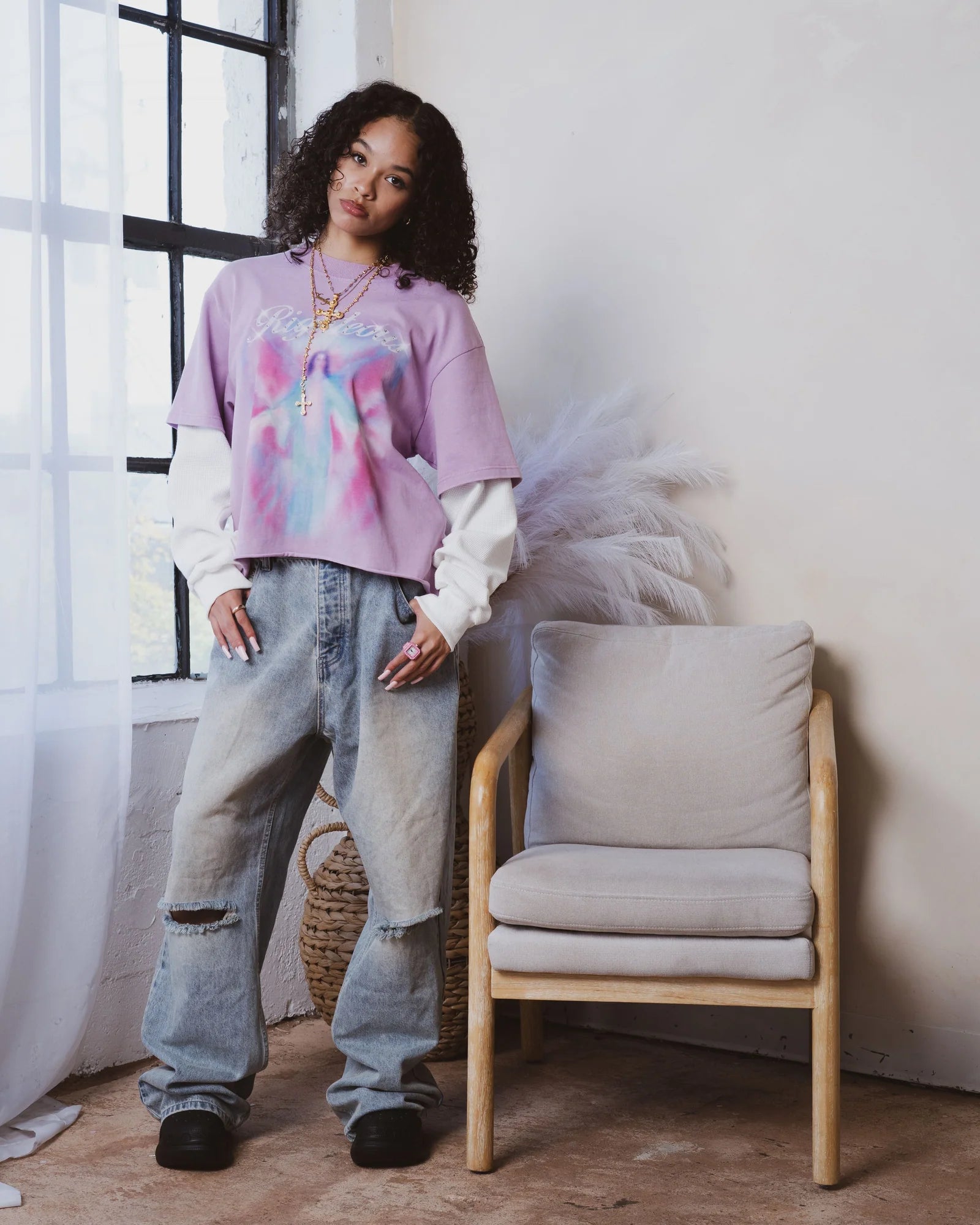
Scrutinise Reviews Before Trusting Them
Not all reviews are created equal, and this matters enormously when you’re trying to verify a righteous clothing brand purchase. Seek out reviews that call out concrete, checkable details — precise fit notes, how the fabric holds up after washing, or comparisons to earlier seasons’ releases — rather than vague praise like “great quality, fast shipping” that has no depth behind it.
Because they reveal the piece from multiple angles, under different lighting, and often includes close-ups of tags and stitching, video reviews and unboxings are harder to convincingly fake. Verify any written we are righteous review against at least one other independent source before trusting it fully — especially so if it’s unusually short or strangely upbeat without substance.
Pay attention to recurring complaints too. When several reviewers bring up the same problem — for instance, sizing coming up large, or a particular colourway fading faster than expected — that’s genuine, useful feedback about the real product as opposed to a sign of counterfeiting. Distinguishing between “this is a real quality concern with the brand” and “this is evidence of a fake” is part of reading reviews critically.
One Last Look Before You Buy
Before you commit to a purchase, run through a brief mental list: has the seller been verified, does the price fall within the brand’s known range, do the photos display real stitching and tag details, and does the listing match the actual item received. Each one brief, these checks collectively substantially lower the risk of receiving a fake.
Should any doubt arise once you’ve bought something, message the seller or the label itself with sharp images of the piece, the labeling, and the box it came in. An honest seller will address a plain question about legitimacy; an evasive or defensive response is itself informative. Making a smart purchase isn’t rocket science — it simply means noticing the details that count.