
Unveiling the historical evolution of casinos from ancient games to modern marvels
The Origins of Gambling: Ancient Practices
The roots of gambling trace back to ancient civilizations, where games of chance were played for both entertainment and social bonding. Archaeological discoveries have revealed evidence of dice dating as far back as 3000 BC in Mesopotamia, suggesting that games of luck have been an integral part of human culture for millennia. These early gambling practices were often interwoven with religious beliefs, as participants sought favor from gods to enhance their fortunes, much like the way modern platforms such as https://reelsoncasinos.com/ enhance the gaming experience today.

In ancient China, gambling was documented as early as the Shang Dynasty, with rudimentary games involving betting on outcomes. The Chinese also invented Keno, which served not only as a form of gambling but also as a means of funding governmental projects. The social context surrounding these games highlighted community interactions, revealing that gambling was not merely a solitary activity but a communal affair that fostered connections among individuals.
The Romans contributed significantly to gambling culture by organizing various betting games, such as betting on chariot races. Their affinity for games led to the construction of gambling houses, marking the first instances of structured betting venues. These establishments were often luxurious, attracting the elite and showcasing the evolving nature of gambling from simple dice games to more sophisticated betting arenas.
The Rise of Casinos in the Middle Ages
As societies progressed into the Middle Ages, gambling continued to thrive, albeit with more restrictions. The Church viewed gambling with skepticism and often imposed regulations to curb excesses. Despite this, clandestine gambling activities flourished, leading to the creation of informal betting houses. These venues provided a space where individuals could indulge in games like card games and dice, setting the foundation for what would eventually evolve into formal casinos.
By the 16th century, the first official casino opened in Venice, known as the Ridotto. It was designed to provide a controlled environment for gambling, complete with rules and regulations. The Ridotto allowed patrons to engage in games like baccarat and various card games while enjoying the company of fellow gamblers. This development marked a significant turning point in the history of casinos, as it signified the transition from unregulated gambling to a more organized and sophisticated gaming experience.
During this period, gambling became more than a pastime; it transformed into a social event that attracted individuals from all walks of life. The popularity of casinos began to spread across Europe, with establishments opening in France and Germany. This expansion highlighted the growing acceptance of gambling as a legitimate form of entertainment, paving the way for the diverse and vibrant casino culture we see today.
The Golden Age of Casinos in the 19th Century
The 19th century ushered in a golden age for casinos, characterized by the expansion and establishment of iconic venues. The legendary Casino de Monte-Carlo opened its doors in 1863, becoming a symbol of luxury and glamour. The architecture and opulence of such casinos attracted high-profile gamblers and tourists, elevating the reputation of gambling establishments. This period also saw the introduction of innovative games like roulette, which quickly gained popularity among players seeking excitement.
As gambling gained traction, many countries began to regulate the industry, leading to the establishment of licensing and taxation frameworks. These regulations aimed to protect consumers and ensure fair play, creating a safer gambling environment. The establishment of reputable casinos contributed to public trust, allowing gambling to flourish openly rather than operating in the shadows. This era marked a shift in perception, as casinos began to be seen as legitimate entertainment venues rather than mere dens of iniquity.
Additionally, the rise of resorts and luxurious destinations in Europe and the United States contributed significantly to the casino culture. Places like Las Vegas began to emerge as gambling capitals, combining entertainment, dining, and nightlife. The 19th century laid the groundwork for modern casinos, integrating a diverse array of games, social experiences, and lavish surroundings that continue to attract millions of visitors worldwide.
The Digital Revolution and Modern Casinos
The late 20th century and early 21st century witnessed a seismic shift in the casino industry due to technological advancements. The advent of the internet opened new avenues for gambling, leading to the rise of online casinos. Players could now access their favorite games from the comfort of their homes, breaking geographical barriers and making gambling more accessible than ever. This digital revolution transformed the landscape, providing a diverse array of gaming options beyond traditional brick-and-mortar casinos.
Modern casinos now feature advanced gaming technology, including virtual reality and live dealer games that bridge the gap between online and physical gambling. These innovations create immersive experiences for players, enhancing engagement and interaction. Furthermore, mobile gaming has gained immense popularity, enabling players to gamble on the go, ensuring that casinos continue to evolve to meet changing consumer preferences.
Today, ethical considerations have become increasingly important in the gambling sector. Operators are focusing on responsible gaming practices, providing tools for self-exclusion and support for players facing addiction. The modern casino experience emphasizes not just entertainment but also player well-being, reflecting a more holistic approach to gambling that acknowledges its potential risks.
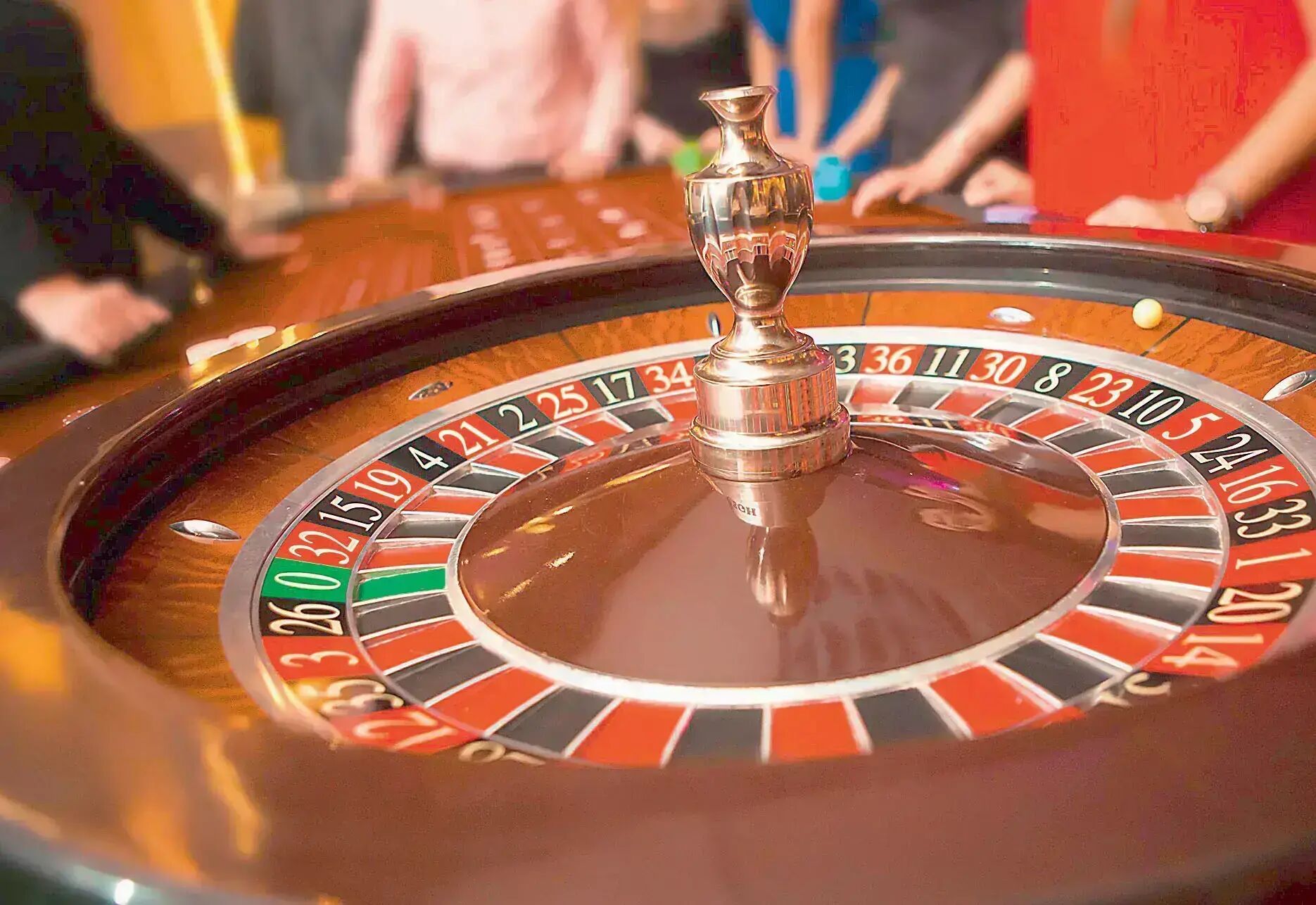
Reelson Casino: A Modern Gaming Experience
Reelson Casino epitomizes the evolution of casinos in the digital age, offering an engaging online gaming experience that caters to the diverse preferences of players. With a vast selection of casino games, including popular slots and live dealer options, it ensures that users have a rich and varied gaming experience. The platform’s user-friendly interface and mobile compatibility make it accessible to players, allowing them to enjoy their favorite games anytime, anywhere.
The enticing welcome bonus of 110% up to €1,000 and 110 free spins underscores Reelson Casino’s commitment to providing value to its users. In addition to ongoing promotions, the casino prioritizes player satisfaction by offering secure payment options and responsive customer support. This blend of quality gaming and customer-centric services highlights the modern approach to online gambling, reflecting the industry’s evolution from its ancient roots.
As the world of casinos continues to evolve, platforms like Reelson Casino are at the forefront of redefining the gaming experience. By embracing technology and prioritizing player welfare, they are shaping the future of gambling, ensuring that it remains a source of enjoyment while promoting responsible gaming practices.